
老君曰,大道無形,生育天地。大道無情,運行日月。大道無名,長養萬物。吾不知其名,強名曰道。
老子說:「『道』無形無相、無情緒、無名份,運行宇宙系統間的一切法則與規律,能生育和養育天地萬物。我不知它的名字,只好將其稱為『道』。」
Laozi said, ‘The ‘Tao’ is formless, without appearance, emotion, or status. It governs all the laws and principles between the systems of the universe, and can give birth to and nurture all things in the world. I do not know its name, so I simply call it the ‘Tao’.
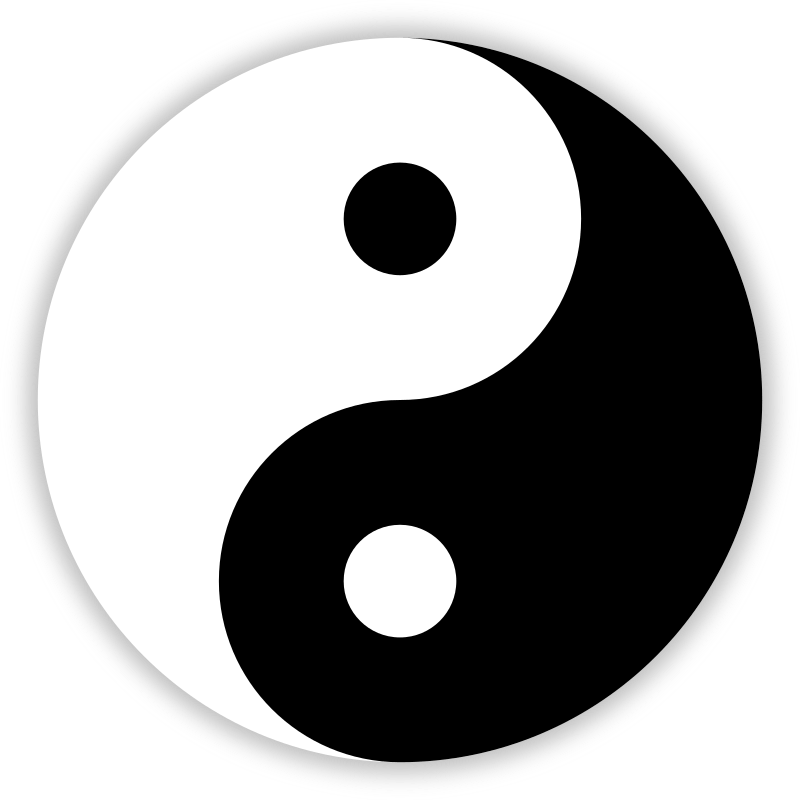
夫道者,有清有濁。有動有靜。天清地濁。天動地靜。男清女濁。男動女靜。降本流末。而生萬物。
「道」分「陰陽」,也可以看作世界一切的「陰陽」之間的對比。包括清濁、天地、男女、動靜等等。各種對比現象本質都是「陰陽」兩個極端間的對比,萬物也是在這種「陰陽」對比當中誕生。
The ‘Tao’ is divided into ‘yin’ and ‘yang’, which can be seen as a contrast between all things in the world, including clarity and turbidity, heaven and earth, male and female, movement and stillness, and so on. The essence of all contrasting phenomena is the contrast between the two extremes of ‘yin’ and ‘yang’, and all things are born in this contrast of ‘yin’ and ‘yang’.
清者濁之源。動者靜之基。人能常清靜。天地悉皆歸。
「清」這個概念源自於「濁」,「動」的概念源自於「靜」;如果失去「濁」也就沒有「清」的概念,如果失去「靜」也就沒有「動」的概念。人心內的「靜」來自於「動」,修行人需要從「動」中修「靜」。人如果可以經常保持清靜,就能和天地萬物合一。
The concept of ‘purity’ arises from ‘turbidity’, and the concept of ‘movement’ arises from ‘stillness’. Without ‘turbidity’, there would be no concept of ‘purity’, and without ‘stillness’, there would be no concept of ‘movement’. The ‘stillness’ within the human heart comes from ‘movement’, and practitioners need to cultivate ‘stillness’ from ‘movement’. If one can maintain a state of purity and tranquility, one can be in harmony with all things in world and earth.
夫人神好清,而心擾之。人心好靜。而慾牽之。
人的元神(魂)屬「陽」並喜好清靜,但心(魄)屬「陰」卻會經常騷擾元神。這裡是指我們的顯意識喜好清靜,但潛意識好動並經常以情緒慾望等等拉扯和依附顯意識。
The human ‘yuan shen’ (spirit/soul) belongs to ‘yang’ and prefers purity and tranquility, but the ‘xin’ (heart/mind) belongs to ‘yin’ and often disturbs the ‘yuan shen’. This means that our conscious mind prefers purity and tranquility, but the subconscious mind is restless and often pulls and attaches to the conscious mind through emotions and desires.
常能遣其慾,而心自靜。澄其心,而神自清。自然六慾不生,三毒消滅。
我們只要經常排除慾望,我們的心(魄)自然就會清靜。當心(魄)變得澄明,我們的元神(魂)自然就會變得清靜,不會生起任何的慾望和情緒,輕鬆自在。
If we constantly eliminate desires, our ‘xin’ (heart/mind) will naturally become pure and tranquil. When the ‘xin’ becomes clear, our ‘yuan shen’ (spirit/soul) will naturally become pure and tranquil, without any arising desires or emotions, and we will feel relaxed and at ease.
所以不能者,為心未澄,慾未遣也。
我們之所以做不到讓我們的元神(魂)清靜,是因為心(魄)未澄明,心(魄)未澄明是因為情緒慾望未能排除。
The reason we cannot make our ‘yuan shen’ (spirit/soul) pure and tranquil is that the ‘xin’ (heart/mind) is not clear. The ‘xin’ is not clear because emotions and desires have not been eliminated.
能遣之者,內觀其心,心無其心。外觀其形,形無其形。遠觀其物,物無其物。三者既悟,惟見於空。
所有能排除自己慾望的人,都是透過不同的角度(內觀、外觀以及遠觀)去觀察自己的心(魄)開始。當我們從不同的角度去觀察心(魄)時會發現心(魄)的虛無後,感受到心(魄)所產生的情緒和慾望都是虛假的,是心(魄)對我們的干擾信號。當我們認知和體會到這種心(魄)信號刺激的虛無,我們就會看見「空」。
All those who can eliminate their desires start by observing their ‘xin’ (heart/mind) from different perspectives (introspection, observation, and distant observation). When we observe our ‘xin’ from different angles, we will discover the emptiness of the ‘xin’, and feel that the emotions and desires generated by the ‘xin’ are false, which are interference signals from the ‘xin’. When we recognize and experience the emptiness stimulated by these signals of the ‘xin’, we will see the ’emptiness’.
觀空亦空,空無所空。所空既無,無無亦無。無無既無,湛然常寂。寂無所寂,慾豈能生。慾既不生。即是真靜。
當我們進一步觀察這種「空」後,最後發現「空」無所空,就會失去對「空」的概念。當失去對「空」的概念後就會「入靜」。當靜到一個程度時,情緒慾望怎麼會產生呢?既一切情緒慾望都不再產生時,就是達到極致的靜的功夫了。
When we further observe this ’emptiness’, we eventually discover that the ’emptiness’ is not empty, and we will lose the concept of ’emptiness’. After losing the concept of ’emptiness’, we will enter into a state of stillness. When we reach a certain level of stillness, how can emotions and desires arise? When no emotions and desires arise at all, it means that we have achieved the ultimate level of stillness.
真常應物,真常得性。常應常靜,常清靜矣。
當心達到極致的靜的狀態時,就應用這種靜看待一切事物。當能夠以經常以這種極致的靜去看待一切事物,就代表可以經常保持這種狀態。
When the mind reaches the state of ultimate stillness, we should use this stillness to observe all things. When we are able to observe all things with this state of ultimate stillness, it means that we can maintain this state on a regular basis.
如此清靜,漸入真道。既入真道,名謂得道。雖名得道,實無所得。為化眾生,名謂得道。能悟之者,可傳聖道。
當達到這種極致清靜的境界後,會隨著境界的提升與「道」合而為一,可以被稱為「得道」了。雖然被稱為「得道」,但實際上並無所得,因為修行是一種「減法」,減去對元神(魂)的一切干擾(在這裡的意思是減去潛意識對顯意識的干擾)。在這裡為了教化眾生所以以「得道」去描述這種狀態。可以認知並體會到這種狀態的人,可以把自己的經驗和理解傳教予其他人。
When one reaches the state of extreme stillness, they will merge with the ‘Tao’ as their state of mind elevates, and this can be called ‘attaining the Tao’. Although it is called ‘attaining the Tao’, in reality, there is nothing to attain because cultivation is a process of ‘subtraction’, subtracting all interference from the ‘yuan shen’ (spirit/soul) (meaning, subtracting the interference of the subconscious on the conscious mind). In order to teach and enlighten others, this state is described as ‘attaining the Tao’. Those who can recognize and experience this state can share their experiences and understanding with others.
太上老君曰,上士無爭,下士好爭。上德不德,下德執德,執著之者,不明道德。
上等的賢人,因他深明「道」的真義,故對外在事物沒有甚麼貪求。下等的愚人,因沒有在「道」的修行而對外在事物產生執著而總是好起爭貪。自覺沒有得到任何事物的心就是得到所有,執著於得到某種事物是不會明白「道」的修行方向。
A superior person, due to their deep understanding of the true meaning of the ‘Tao’, has no excessive desire for external things. An inferior person, due to their lack of cultivation in the ‘Tao’, becomes attached to external things and always seeks to fight and acquire them. To realize that one has not gained anything is to gain everything, and being attached to obtaining certain things will not lead to a clear understanding of the direction of ‘Tao’ cultivation.
眾生所以不得真道者,為有妄心。
眾生之所以不能「得道」,是因為沒有控制好自己的心(魄),讓其隨意亂動。這裡是指沒有控制好潛意識裡的情緒和慾望,讓它們失控擴散。
The reason why sentient beings cannot ‘attain the Tao’ is that they cannot control their own ‘xin’ (heart/mind) and let it move actively. Specifically, it refers to the failure to control the emotions and desires in the subconscious mind, which causes them to spiral out of control
既有妄心,即驚其神。既驚其神,即著萬物。既著萬物,即生貪求。既生貪求,即是煩惱。
一旦沒有控制好自己的心(魄)就會擾亂元神(魂)。這裡是指一旦沒有控制好潛意識裡的情緒和慾望,顯意識就會被潛意識拉扯和依附。就會對外在事物有貪求的慾望和情緒,最後變成因為對外在事物的「求不得」而變成人生的種種煩惱。
Once we fail to control our own ‘xin’ (heart/mind), it will disturb the ‘yuan shen’ (spirit/soul). Specifically, if we fail to control the emotions and desires in the subconscious mind, the conscious mind will be pulled and attached by the subconscious mind. This will lead to desires and emotions of greed towards external things, and eventually become the various troubles in life due to the inability to obtain what we desire from external things.
煩惱妄想,憂苦身心,便遭濁辱。流浪生死,常沉苦海,永失真道。真常之道,悟者自得,得悟道者,常清靜矣。
一切對外在事的的煩惱執著都會傷害自己的身體和心靈,污濁恥辱自己的元神(魂),並不斷漂泊在每一次的生與死,永世沉淪煩惱妄想的苦海,不得超生。以極致的靜去看待一切事物的境界,悟到的人自然就會「得到」,並可以一直保持清靜。
All the troubles and attachments to external things will harm our body and mind, pollute and shame our ‘yuan shen’ (spirit/soul), and constantly wander in the cycle of birth and death, sinking into the sea of suffering from endless afflictions and delusions, unable to transcend. Those who attain the state of observing all things with ultimate stillness will naturally ‘attain’ and can always maintain purity and stillness.

 鯨落筆記whale fall notes