
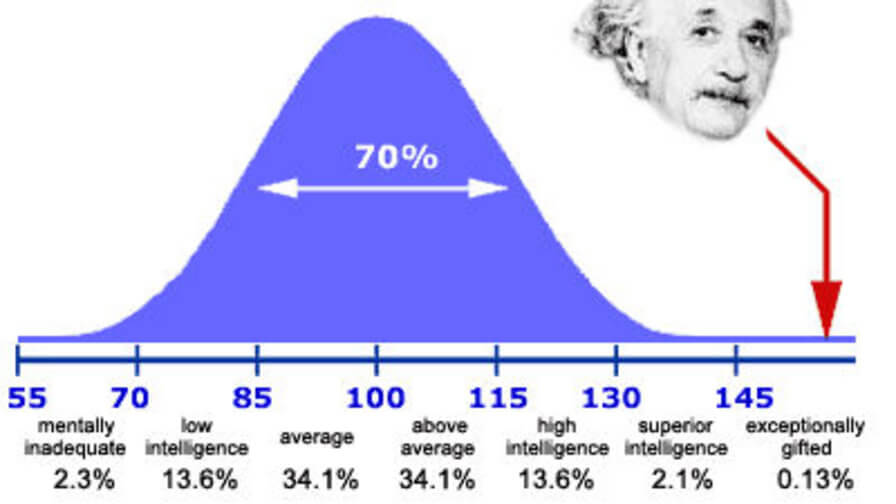
現代社會的競爭非常大,很多小孩在三、四歲開始已經在學習各種技能和在不同的學術訓練等等當中,甚至連還沒出生的胎兒也需要播很多古典音樂讓其「更聰明」。我們都有比其他人優越的慾望,都希望自己在云云眾生當中成為最耀眼的星。
Modern society is highly competitive, and many children start learning various skills and participating in academic training at the age of three or four. Even unborn fetuses are expected to listen to classical music to become “smarter”. We all have the desire to be superior to others and hope to become the most dazzling star among the crowd.
父母對自己孩子的「愛」本質上其實是一種「對外在事物的綑挷」,父母會將小孩看成是自己生命的一部份,所以也會將對自己的希望強加於小孩身上, 並希望小孩能作為自己的延續去達成自己的理想以及要求。很多家長對於自己小孩的「聰明(智商)」程度很焦慮, 強烈地希望自己的小孩比別人優秀,要求自己的小孩在各項分數都必須取得比大部份人優越的分數。甚至長大後更要面對各種「考試」、「面試」等需要拿到自己的「分數」去證明自己比別人更有價值更聰明。
The “love” that parents have for their children is essentially a “constraint on external things”. Parents see their children as a part of their own lives, so they also impose their hopes on their children and hope that their children can be their continuation to achieve their own ideals and demands. Many parents are anxious about their children’s “intelligence (IQ)” and strongly hope that their children will be better than others, requiring their children to obtain scores that are superior to most people in all areas. Even when they grow up, they face various “exams” and “interviews” that require them to prove their own value and intelligence by obtaining their “scores.”
但究竟什麼是「聰明(智商高)」?
But what exactly is “intelligence (high IQ)”?
對「聰明」的迷信
The Superstition of “Intelligence”
智力測驗 Intelligence Tests
在這裡我姑且簡單把「聰明」略相等於「智商高」。相信每個人都曾經懷疑過自己的智商,覺得是自己比起其他人並沒有那麼優秀。 智力商數,簡稱智商(英語:IQ),是通過一系列標準測試測量人在其年齡段的認知能力(智力)的得分。智力測驗包括十一個項目,例如常識、理解、算術、類同、記憶、字詞、圖像、積木、排列、拼圖、符號分別測驗。當然在坊間網絡上也有很多什麼「谷歌智力測試題」、「微軟智力測驗」、「牛津大學智力測驗」等等, 都是加上知名企業或者知名學府作為招牌以增加權威,好像這些公司或者知名學府可以憑他們的權威去判斷別人的智商(價值)一樣。其實當中很多的所謂「智力測驗」是沒有科學根據, 甚至如何定義「智力」也沒有一個所謂清晰的定義,現行並沒有一套「絕對權威」方法去判斷一個人的智力。筆者年少時也曾在網上進行智力測驗,發現只要稍加訓練便能在其他測試中輕易取得高分。
Here, I will briefly equate “intelligence” with “high IQ”. I believe that everyone has doubted their own intelligence at some point and felt that they are not as outstanding as others. The intelligence quotient (IQ) is a score obtained by measuring a person’s cognitive ability (intelligence) through a series of standardized tests in their age group. Intelligence tests include eleven items, such as common sense, comprehension, arithmetic, analogy, memory, vocabulary, images, blocks, arrangement, puzzles, and symbols. Of course, there are also many “Google IQ test questions”, “Microsoft IQ test”, and “Oxford University IQ test”, etc. on the internet, which add well-known companies or prestigious universities as a sign of authority, as if these companies or prestigious universities can judge others’ intelligence (value) based on their authority. In fact, many of these so-called “intelligence tests” have no scientific basis, and there is no clear definition of how to define “intelligence”. There is currently no “absolute authoritative” method to judge a person’s intelligence. When I was young, I also took intelligence tests online and found that with a little training, it was easy to get high scores on other tests.
思考快慢 Thinking Speed
除了懷疑自己的智商,很多人存在的一個誤區,是把「聰明」等價於「思考很快」。如果他們發現一個問題好像很複雜,首先產生了恐懼心理。如果發現看了好一會還沒弄懂,他們會覺得自己頭腦「太慢」,繼而開始懷疑自己的智商。越是懷疑就越是心浮氣躁,無心思考。我發現在工作中,經常不斷做錯事甚至走錯方向的人,往往是那些喜歡表現出自己是「想得快」的人。他們大多說話節奏很快,這使得他們無法深入思考,甚至無法聽到別人在說什麼。思考是需要時間,尤其是複雜的問題都需要多角度多層次不斷重覆去思考才會得出答案,當中許多想法都可以來自跟人討論,可是喜歡顯示自己頭腦快或者很聰明的人是完全聽不到其他人的想法。他們把每一次討論都當成了顯示自己聰明的機會,當成了「搶答比賽」。所以很多人都努力顯示出比其他人聰明。 因為顯得比別人聰明就是「權威」, 同時滿足自己是「世界的主角」, 希望自己與眾不同的慾望。
In addition to doubting their own intelligence, many people have a misconception that “smart” is equivalent to “thinking very fast.” If they encounter a problem that seems complicated, they first become fearful. If they find that they still don’t understand after looking at it for a while, they will feel that their mind is “too slow” and start doubting their intelligence. The more they doubt, the more restless they become and the less they are able to think. I have found that in the workplace, those who often make mistakes or even go in the wrong direction are often those who like to show that they “think fast”. They also speak quickly and loudly. This makes it difficult for them to think deeply, and they may not even hear what others are saying. Thinking takes time, especially for complex problems that require multi-angle and multi-level thinking and repeated consideration in order to come up with an answer. Many ideas can come from discussions with others, but people who like to show that they are quick-witted or very smart are completely unable to hear other people’s ideas. They treat every discussion as an opportunity to show off their intelligence as if it were a “quiz game.” So many people try to show that they are smarter than others. Because appearing smarter than others is “authority,” while also satisfying the desire to be “unique” and the “protagonist” in the world.
為何我們會看見我們和別人在學習能力上的差距
Why We See Differences in Learning Abilities Between Ourselves and Others
過度依附單一立場的思考 Overdependence on a Single Perspective in Thinking
基本上所謂的學習的意義不定一是對學習者本身產生出某種「社會價值」,當然執政者可以繼續用這個角度去定義教育的價值。但對個人來說,「學習」本質上是學習使用「邏輯工具」去思考, 例如歸納、演譯、抽象、窮舉、批判、比喻、分割等等一系列思考工具組合並多角度思考分析以及解決問題。解決一個問題是可以有多種方法和角度,每個人可以根據自己的經驗與自己的性格去選擇一些自己選合的方法去解決問題。但由於在學校裡老師往往會對幾十人進行教學,而且課程時間有限很難兼顧不同學生的各種另類思考,所以很多學生並不能從其他角度去思考問題的本質,導致如果跟不上老師的思考框架,就會出現焦慮、自我懷疑等情緒,影響學習。
Fundamentally, the so-called meaning of learning is not only to produce certain “social value” for the learners themselves but also for the ruling authorities to define the value of education. However, from an individual perspective, “learning” is essentially about acquiring “logical tools” for thinking, such as induction, deduction, abstraction, enumeration, criticism, analogy, division, and other combinations of thinking tools. To analyze and solve problems from multiple angles. There are many ways and perspectives to solve a problem, and each person can choose some suitable methods based on their experience and personality. However, given that teachers in schools often teach dozens of students at a time and have limited class time to accommodate various alternative thinking styles, many students cannot think about the essence of problems from other perspectives. This can lead to anxiety and self-doubt, affecting learning.
忽略情緒(慾望)控制 Ignoring Emotional (Desire) Control
其實人和人的差距是相當近,懷疑自己智商有問題的人,問題往往不在於他們的「智商」,而在於他們的「懷疑」。人腦的局限性往往產生於自我懷疑的焦慮情緒。本來一般人都可以有條不紊思索出規律,找到答案,結果有人懷疑自己的能力就做不到了。懷疑的情緒內耗了人的思維能力,造成了思維線路的癱瘓。情緒(慾望)是會令人失去思考能力。如果學習環境相對高壓,對情緒控制要求能力更加高。當你的父母常常把你和別人去比較、學校不斷灌輸「高考失敗無用論」、私人生活問題如失戀等等一大堆生活壓力下努力讀書學習,本質上就是對情緒控制力的考驗。
In fact, the gap between people is relatively close. For those who doubt their intelligence, the problem is often not their “IQ” but their “doubt.” The limitations of the human brain often arise from anxiety caused by self-doubt. Originally, ordinary people could calmly think about patterns and find answers, but some people who doubt their abilities cannot. This doubt consumes their mental energy, causing paralysis in their thinking circuits. Emotions (desires) can cause people to lose their thinking abilities. If the learning environment is relatively high-pressure, it demands even higher emotional control. When your parents constantly compare you to others, schools continually instill the idea that “failure in exams is useless,” and you struggle to study under the pressure of personal life issues like breakups, it is essentially a test of emotional control.
「沒有興趣」”Lack of Interest”
經過筆者對身邊人的觀察,我發現學習能力強的朋友一般不外乎擁有兩種特質:
Based on the author’s observations of people around them, friends with strong learning abilities generally have two traits:
- 對某特定學習的事物有非常濃厚的興趣
A very strong interest in certain specific areas of study - 情緒(慾望)控制能力非常高,有極強的自制力去學習沒有興趣的事物
Extremely high emotional (desire) control ability and strong self-discipline to learn things they are not interested in.
現代社會很多都推行免費教育,強制將小孩送入學校學習一些被規範化的課程。少部份朋友「幸運地」對學校所提供的科目感興趣,不需要自己父母督促也能學得津津有味。但在家庭、學校以及整個社會都在沒有教導情緒(慾望) 控制技巧,大多數人都要面對互聯網、網上娛樂和色情等誘惑的環境下去學習一些自己沒有興趣的事物是非常困難。而且資本主義社會操作下會影響小孩的意識形態, 認為讀書是為了「錢」或者被資本所提供的商品吸引等等。
Many modern societies implement free education, forcing children to attend schools and learn standardized courses. A few friends are “fortunate” to be interested in the subjects offered by schools, and they can enjoy learning without their parent’s supervision. However, since families, schools, and society as a whole do not teach emotional (desire) control skills, it is challenging for most people to learn things they are not interested in under the temptation of the internet, online entertainment, and adult content. Furthermore, under the influence of capitalism, children’s ideologies are affected, believing that studying is for “money” or being attracted by commodities provided by capital and so on.
寫給正在焦慮懷疑自己能力的人們
To those who are anxious and doubting their abilities
一位廚師所需要的能力和一位律師所需要的能力當中並沒有高低之高,一位音樂家和一位醫生所需要的能力也不一樣,讀理科不一定比文科「聰明」。但是在學習的過程中我們確實會面對很多情緒問題會讓我們不能專注在思考當中,正如筆者上文所指出人與人之間的差距的相當少,差異是有各自找出方法去面對和解決自己的情緒,讓自己立於當下去學習。如果在人生早期的階段就能找到自己的興趣固然是無比幸福,因為這刻前面的路已經非常清晰, 但大多數人都需要學習情緒控制的技巧,去忽略自己的情緒並集中注意力在當前的事物,冷靜找出適合自己的思考方法。
There is no ranking of skills between what a chef needs versus what a lawyer needs, or what a musician needs versus what a doctor needs. Being good at science doesn’t necessarily mean you are smarter than someone who excels in the humanities. However, during the learning process, we do face many emotional issues that can prevent us from focusing on our thoughts. As previously mentioned, the differences between individuals are minimal. The key difference is that some people have found ways to cope with and overcome their emotions, allowing them to focus on learning in the present. If you can discover your interests early in life, it is undoubtedly a great joy, as the path ahead will be much clearer. However, most people need to learn emotional control techniques to ignore their emotions and concentrate on the current task, calmly finding the best method of thinking for themselves.
真正的思考是需要時間,尤其是複雜的問題都需要多角度多層次不斷重覆去思考才會得出答案,很多人只是努力讓自己顯得聰明優秀,為別人的演技而焦慮只會讓自己陷入情緒當中,被這些情緒影響後對自己更沒有自信的惡性循環。每個人都有不同的經歷和個性,沒有人能擁別和別人相同的經歷和性格,所以不同的人之間是不能互相比較。我們的社會其實並不懂如何評價一個人,所以才需要「分數」去把一個人的綜合能力歸納成一個數字去簡單定義每一個人的價值。
Real thinking takes time, particularly with complex problems that require multiple perspectives and layers of thought to arrive at an answer. Many people only strive to appear intelligent and outstanding, leading to anxiety rooted in their performances for others. This anxiety only causes them to fall further into their emotional turmoil, leading to a vicious cycle of low self-confidence. Everyone has different experiences and personalities, and no one can have the same experiences or personalities as someone else. Therefore, individuals cannot be compared to each other. Our society does not understand how to evaluate an individual, which is why we need “scores” to simply define a person’s value by summarizing their comprehensive abilities into a single number.

 鯨落筆記whale fall notes