
道家哲學與修行 Taoist Philosophy and Practice
-
陰陽五行與四元素理論的應用
古代的陰陽五行與西方的四元素系統,雖然源自不同文化,但都試圖用簡單而有象徵性的框架來解釋宇宙的運行。而當我們把它們與天文現象(如黃道面、地球自轉、公轉等)對照時,會發現一些耐人尋味的相似性。其不僅用以解釋宇宙生成,亦具體應用於臟腑、經絡、情緒、感官等人體生命系統。 Continue reading
-
陰陽五行與四元素的基本原理
陰陽五行是大自然的「陰陽之炁的五種行動狀態(炁行方向)」變化;而四元素透過元素四種不同的元素組合也有相對應的組合屬性變化。如果將「陰陽五行」與「四元素」合併來觀察和思考,其不但具有左旋循環變化外,也一樣具有四種在二元動態間的行動和變化。所以古代先賢都是基於他們在不同文化背景透過對日常生活的思考和觀察,各自分析並歸納成兩種看似相同的系統,但經過語意邏輯分析後又像是不同(「行」與「元素」的差異),但本質卻又是相同的基本理論系統,去認識世界和大自然萬物的各種物質變化轉換與精神狀態變化的基本運行方式。兩個系統雖然語言不同,但背後的直覺卻是一致的。 Continue reading
-
方法修行與宗教修行 Method-Based Practices vs. Religious Practices
修行活動的目的多樣,包括與神靈交感、超脫苦海、養生治病及追求特殊體驗等。從古至今,各地文化中均有人進行個人修行,如禁食、冥想和舞蹈等。修行方式可分為方法修行與宗教修行。方法修行重視技術和靈活性,追求身心健康,但可能缺乏社群支持且存在自我懷疑。宗教修行基於信仰與儀式,有助於心理支持,但方法靈活性較低,過度依賴教義可能引發內心衝突及精神問題。 Continue reading
-
「走火入魔」-現代身心靈修行的偏差造成不同程度的精神和身體問題 “Obsession (Go off the deep end)” – Modern deviations in meditation, body and spiritual practices have caused varying degrees of mental and physical issues
現代人追求身心靈平衡,參與各類修行活動,卻可能因方法偏差導致「走火入魔」,引發精神和身體問題。本文探討相關問題及正確修行方法。 Continue reading
-
什麼是「順其(應)自然」? 如何透過「無為」來「順其(應)自然」? What does “go with the flow (Natural)” mean? How can we achieve “go with the flow (Natural)” by “non-reaction”?
本文探討了「順其自然」和「反自然」的概念,並舉例說明如何通過消除二元價值判斷來實現更自然的生活體驗。 Continue reading
-
《燭照守神御陰陽法》─以身化燭凝神寂照統御陰陽 Illuminate Meditation – Consciousness is like a candlelight that illuminates and eliminates the subconscious mind of duality
《燭照守神御陰陽法》是一種修行方法,旨在讓顯意識馴化潛意識,從而恢復內心的清靜。此系統分為五個階段,涵蓋從開啟經脈到達涅槃的過程,強調觀察念頭與情感,而非被其影響,以實現心靈的平等與覺知。 Continue reading
-
原始道教修行的本質 The essence of original Taoist practice-認知我們都被困在各種對比關係當中,對各種二元特性的思考和觀察建立體會來去除各種對比概念,解除二元的束縛 realizing that we are all trapped in various contrasting relationships, thinking and observing various binary characteristics to establish experience to remove various contrasting concepts and release the bondage of duality.
這段內容探討了生活中的二元對立特性,例如善惡、貧富,以及陽與陰的相互依存。儘管人類常用二元概念來理解現實,但實際上這些對立並不完全對立,而是相互依存、互證的。透過反思可以達到平衡,最終明白「一」的本質。 Continue reading
-
常見道教與佛教宗教文化概念謬誤 Common misconceptions about Taoist and Buddhist religious and cultural concepts.
本文探討了五個常見的宗教哲學誤解,包括「迴光反照」、「相由心生」、「因果與業力」、「無常」和「無我」。這些誤解源於文化背景的差異,導致人們偏離原始教義的脈絡,最終形成錯誤的共識。理解這些概念需根據其歷史及宗教背景深入研究。 Continue reading
-
自我完善的正確方法-訓練理性思考與感性思考的平衡,培養辨別「真假」的能力,掌握「真實思考」的藝術。The correct methods for self-improvement – training to achieve a balance between rational and emotional thinking, developing the ability to discern “truth and falsehood” and mastering the art of “real thinking”.
人們在解決問題時往往較依賴「理性」或「感性」思考,過度偏向任一側面可能導致人際關係、決策錯誤及情緒健康問題。理性思考耗費腦力,感性思考易受情感影響,兩者結合能提高思考效率,實現「真正的思考」。 Continue reading
-
宗教行為所引起的特殊和未知的精神意識現象 Special and Unknown Spiritual and Conscious Phenomena Caused by Religious Practices
這段內容探討了現代宗教的多樣性及其對個人意識的影響,尤其是透過乩童、靈性儀式及薩滿文化等範例,指出這些信仰行為可能導致精神異常及情緒失控。原始的佛教和道教修行則強調意識控制和內心覺知,排斥外靈溝通。 Continue reading
-
所有精神病和情緒慾望的問題本質都是從「潛意識」對「顯意識」的「依附」開始 The root cause of all mental illness and emotional desires lies in the attachment of the subconscious to the conscious mind.
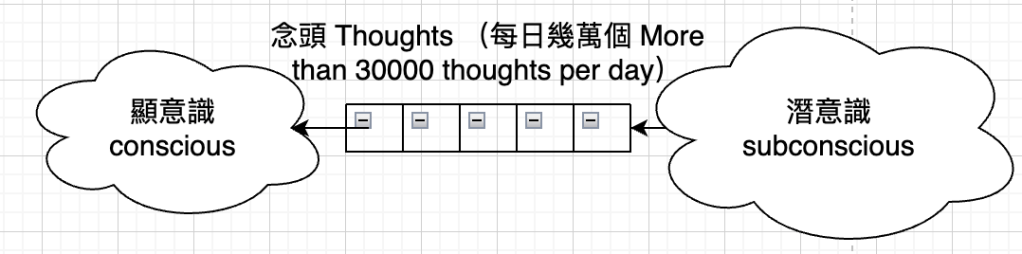
佛教的「十二因緣」概念闡述了無明引發的人心情緒與意識問題,強調潛意識對顯意識的影響。過往經歷形成性格特質,進而影響選擇和情緒反應。通過意識控制練習,我們可以減少情緒與思緒的干擾,回歸自我。 Continue reading
-
二零二三年五月十二日路過惡鬼國之見聞 Passing through the land of evil spirits on May 12th, 2023, and what was seen and heard
所以很多變成「惡鬼」的人都有一種「過度執著」的特質,相信只要努力就一定會有成功的一天。為此他們付出所有時間和精力去迎合社會上所有的遊戲規則,為的只是讓自己的生活達到社會所營造的美好夢境。當有一天夢碎了,這種「過度執著」並不會消失,它會轉化成怒氣吞噬身邊的一切,玉石俱焚永不超生。 Therefore, many people who become “malevolent spirits” have a trait of “excessive attachment,” believing that as long as they work hard, they will definitely be successful one day. To achieve this, they devote all their time and energy to conform to all the rules of society, just to make their lives reach the beautiful… Continue reading
-
「躺平主義」與「清靜無為」”Lying-flatism” and “quiet inaction”-對現代社會既定意識形態的反抗,擺脫因「過度的勞動」所導致的思考停滯,清靜寡慾並順應自然 Resisting the established ideology of modern society, breaking free from the mental stagnation caused by “excessive labor”, and cultivating a tranquil and contented mind that conforms to nature.

「躺平主義」在中國年輕人中廣泛傳播,反映對現代社會壓力的反應,特別是「內卷化」現象。此觀念提倡最低限度生活,拒絕高競爭和社會期待。儘管受到批評,躺平也被視為個人選擇的表現,強調責任和自我實現。 Continue reading
-
「天人合一」與唯物主義的敵我矛盾 The contradiction between the “unity of humans and nature” and materialism.
科技與資本主義最後取代了「上帝」而成為現代社會人類新的信仰,成為新的「神」。而我們和大自然的關係逐漸由「天人合一」變成敵我矛盾。As a result, technology and capitalism have replaced “God” and become the new faith of modern society, making humans and nature’s relationship gradually shift from “unity of humans and nature” to one of conflict. Continue reading
-
情緒與慾望、呼吸、冥想、血清素與二甲基色胺(DMT)之間的關係 The Relationship between Emotions and Desires, Breathing, Serotonin, Meditation, and DMT(Dimethyltryptamine)

情緒是人類生活中無法避免的問題,影響著我們的幸福感和行為表現。情緒與慾望之間存在正比關係,強烈的慾望會引發劇烈的情緒波動。深呼吸和冥想等方法有助於情緒控制,提升心理健康,穩定血清素水平也對情緒平衡至關重要。 Continue reading
-
哲學與宗教的分別、對峙、依存與平衡 The Separation, Confrontation, Dependence, and Balance between Philosophy and Religion-對意識的了解建立哲學與宗教的橋樑 Understanding of consciousness establishes a bridge between philosophy and religion
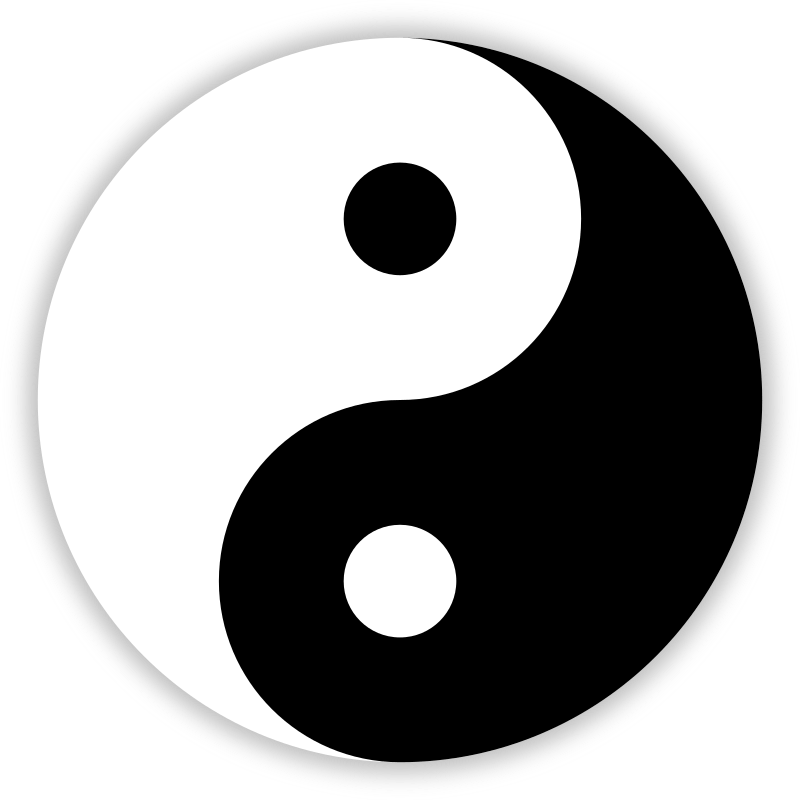
哲學與宗教就像理性與感性一樣永不能調和的對比關係。哲學首要是「理性的懷疑」,宗教首要是「感性的信仰」。對意識的了解後作出禪修冥想行為似乎是「理性觀察與分析」後與「感性的禪修行為」合作,在理性與感性之間建立橋樑,打破哲學與宗教的之間的對立。如同道教符號陰陽兩儀一樣。Philosophy and religion are like the contrast between rationality and intuition, which can never be reconciled. Philosophy prioritizes “rational skepticism,” while religion prioritizes “intuitive faith.” Engaging in meditation practices after understanding consciousness seems to be a cooperation between “rational observation and analysis” and “intuitive meditative practices,” bridging the gap between rationality and intuition and breaking… Continue reading
-
《太上老君常說清靜經》The Classic of Always Being Pure and Tranquil (Qingjing Jing), Spoken by Laozi of the Highest Clarity-正統原始道教冥想修行之法 The Meditation Method of Authentic Primitive Taoist Practice
老子說的《清淨經》的正確註解和詳解。原文本來說的是道家打坐內觀修行的方法,坊間流傳的註釋多半是錯誤的。 The correct commentary and detailed explanation of The Classic of Always Being Pure and Tranquil (Qingjing Jing), Spoken by Laozi of the Highest Clarity. The original context teaches the method of Taoist meditation and introspective practice, and most of the commentaries in circulation are incorrect. Continue reading
-
莊子的無我境界 Zhuangzi’s state of selflessness-即時高效解決負面情緒問題 Instantly and effectively solve negative emotional problems
在日常生活中,負面情緒常常因「自我」而產生,解決方法有三種:專注於一件事、將他人視為無情之物、以及建立自我價值。透過這些方法,不僅可以有效緩解情緒,還能避免負面情緒的干擾。 Continue reading
-
莊子 Zhuang Zhou-「坐忘」冥想法 Sitting and Forgetting Meditation
墮肢體,黜聰明,離形去知,同於大通,此謂坐忘。 Let go of the body and limbs, reject intellect and understanding, depart from form and cast off knowledge. This is called sitting and forgetting. Continue reading
-
莊子的無用之用—破除人生只能選擇「成材」的執著
文章探討儒家文化中對個體價值的判斷,強調「有用」乃是相對概念。在《莊子》的故事中,無用之物如樹木或醜陋之人,反而能保持自身存在,且其價值不應由他者的標準來定義,鼓勵個體尋找自我意義。 Continue reading
-
「大道至簡」—禪修就是單純對意識的理解與體會的融合
本文探討了原始部落時期的生活方式與佛教禪修的關聯,強調在簡單生活環境下自然達到冥想狀態的可能性。文章指出現代社會的複雜化使得人類面對多樣化問題,但禪修能幫助了解自我與生活道理。藉由理解與體會的融合,達到心靈自由與解脫。 Continue reading
-
極端的「善意」造成的「邪惡」—普及情緒管理教育可以解脫「人禍的歷史循環」The “evil” caused by extreme “goodwill”: Popularizing emotional management education can break the cycle of “human disasters” in history
這篇文章探討了教條主義和左翼自由主義對社會的破壞,並強調失去理性思考及局限的善意是教條主義形成的重要原因。通過反思歷史中的「人禍」,與分析資本主義和共產主義的對立,揭示情緒在政治與社會衝突中的核心角色。 Continue reading
-
人生目標總是要追求所謂的幸福嗎?
我常常在生活中發現很多「情緒主義者」,當你表達想追求「內心的平靜」時,他們的情緒反應會出奇地大,就像狂熱的宗教信徒一樣,用各種例子去反駁「平靜」對人生的意義,加強「慾望」和「情緒」對人生的重要性。認為人生需要不斷追求「快樂」或者「幸福」才算活得有意義。 Continue reading
-
最後放棄所有觀點、哲學思想框架以及既定立場,最後真誠地接受自己始終會來到的死亡。這就是生命的「道」。
哲學是一種研究人類意識與思想框架的學科,儘管現代心理學專注於實證數據,哲學仍對探討人的存在、倫理、自由意志等問題具有重要意義。不同立場造就不同的真理,而生命的唯一真理是其必然的開始與結束。 Continue reading
 鯨落筆記whale fall notes