古瑜伽與原始佛教 Ancient Yoga and Primitive Buddhist
-
為何瑜伽極不適合作為養生調身方式
使用瑜伽(哈達瑜伽、呼吸法)的人需要非常清楚自己在解決身體的什麼問題,而不是把一整套哈達瑜伽作為日常的養生運動… Continue reading
-
為什麼在極度不確定的環境中,叫人「放下」往往是一種無效甚至近乎暴力的高姿態勸告
在一種高度不確定性的環境下叫人「放下」,之所以讓人覺得違和甚至不可能,是因為我們的身體很清楚「周遭的規則隨時可… Continue reading
-
現代佛教素食者的道德優越感
把吃素這個行為,簡單地劃分為「吃素的高尚」與「吃肉的低俗」,本身就是一種強烈的「分別心」,與為了自己的高尚刻意… Continue reading
-
「幻人法 Tulpa」與「幻身瑜伽 Gyulu」
其實人的想像創造能力,是可以超乎任何人的想像,可以獨立在意識空間當中,創造出一個具備獨立思考、個性與意識的「次… Continue reading
-
靈氣界人士為何總在強調「氣功是用自己的氣」
靈氣界各類人士經常提出一類說法:「靈氣用的是源源不絕的宇宙能量,所以不會耗損自己的氣;而氣功是用自己的氣去救人… Continue reading
-
陰陽五行與四元素理論的應用
古代的陰陽五行與西方的四元素系統,雖然源自不同文化,但都試圖用簡單而有象徵性的框架來解釋宇宙的運行。而當我們把… Continue reading
-
陰陽五行與四元素的基本原理
陰陽五行是大自然的「陰陽之炁的五種行動狀態(炁行方向)」變化;而四元素透過元素四種不同的元素組合也有相對應的組… Continue reading
-
方法修行與宗教修行 Method-Based Practices vs. Religious Practices
修行活動的目的多樣,包括與神靈交感、超脫苦海、養生治病及追求特殊體驗等。從古至今,各地文化中均有人進行個人修行… Continue reading
-
「走火入魔」-現代身心靈修行的偏差造成不同程度的精神和身體問題 “Obsession (Go off the deep end)” – Modern deviations in meditation, body and spiritual practices have caused varying degrees of mental and physical issues
現代人追求身心靈平衡,參與各類修行活動,卻可能因方法偏差導致「走火入魔」,引發精神和身體問題。本文探討相關問題… Continue reading
-
常見道教與佛教宗教文化概念謬誤 Common misconceptions about Taoist and Buddhist religious and cultural concepts.
本文探討了五個常見的宗教哲學誤解,包括「迴光反照」、「相由心生」、「因果與業力」、「無常」和「無我」。這些誤解… Continue reading
-
古瑜伽修行的歷史、分類和方法概要 The Summary of the History, Classification and Methods of ancient yoga practice-古瑜伽和原始佛教都是以制止感官、心念和潛意識的活動,最後達至涅槃(Nirvana)為其核心價值 Ancient yoga and Pre-sectarian (Original) Buddhism both have the core value of stopping the activities of the senses, mind and subconscious, and finally reaching Nirvana.
古瑜伽修行源自古印度,早在公元前三千年即有記載,當時修行者以苦行尋求神秘的意識體驗。隨著《摩訶婆羅多》和《奧義… Continue reading
-
在冥想修行過程中,意識在高度敏感狀態所遇到被稱為「魔擾」的特殊意識現象 The special phenomenon of consciousness encountered by consciousness in a highly sensitive state during meditation practice, which is called “demonic disturbance”
原始佛教中,修行者遭遇的「魔」象徵著人心的情緒與慾望。透過深度冥想,修行者需看透虛假幻影,以面對自我挑戰,達成… Continue reading
-
認識禪修冥想的本質和當中可能出現的各種意識訊號 (干擾和副作用)Understanding the essence of meditation and the various conscious signals (interference and side effects) that may arise during the practice.
禪修冥想的正確動機只有一個,就是為了解除我們的潛意識(情緒、慾望、本能)對我們顯意識的限制,讓我們真正在意識上… Continue reading
-
宗教行為所引起的特殊和未知的精神意識現象 Special and Unknown Spiritual and Conscious Phenomena Caused by Religious Practices
這段內容探討了現代宗教的多樣性及其對個人意識的影響,尤其是透過乩童、靈性儀式及薩滿文化等範例,指出這些信仰行為… Continue reading
-
所有精神病和情緒慾望的問題本質都是從「潛意識」對「顯意識」的「依附」開始 The root cause of all mental illness and emotional desires lies in the attachment of the subconscious to the conscious mind.

佛教的「十二因緣」概念闡述了無明引發的人心情緒與意識問題,強調潛意識對顯意識的影響。過往經歷形成性格特質,進而… Continue reading
-
常見佛教修行 Q&A Common Q&A on Buddhist Meditation Practice
佛陀所指的開悟究竟是什麼? What exactly did the Buddha mean by enlig… Continue reading
-
原始佛教「五蘊」其實是指「一切外在與內在的虛假訊息的接收方式」Original Buddhism’s “Five Aggregates” actually refer to “the ways of receiving all external and internal false information”
很多人非常沉迷神秘主義,將心經最後的咒語視為修行至寶。但其實心經的第一句就已經總結了原始佛教修行的核心。就是透… Continue reading
-
原始佛教「止觀雙運」(或稱「定慧雙修」)冥想打坐和控制情緒慾望方法詳解 In-depth explanation of the primitive Buddhism’s “Samatha-Vipassana” meditation, emotion and desire control
這是一個詳細的「止觀雙運」(或稱「定慧雙修」)的冥想打坐方法,你可以根據你的需要和經驗進一步調整和發展它。重要… Continue reading
-
原始佛教的本質 The Essence of Primitive Buddhism — 唯一正確摩訶般若波羅密多心經詳解 A detailed and correct explanation of the Heart Sutra of Prajnaparamita
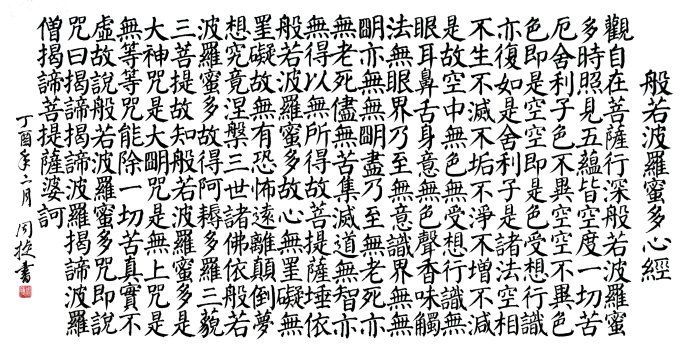
般若波羅密多心經是一部冥想心法。覺知和平等心的禪修可使人超脫並到達彼岸。並當在般若智慧深入到某一個階段時,可以… Continue reading
-
正確理解原始佛法中的因果與業力 Correctly understanding causality and karma in the Original Buddhism.
佛法中的「因果」被曲解的原因為強行使用外部構成對「因果」的認知去理解佛法。其實「善事」不會積累功德與福報 「壞… Continue reading
-
修行不離「定慧」-大乘佛教「悲智雙運」與「福慧雙修」精神完全扭曲原始佛法修行原意
「悲智雙運」只是大乘佛教創作出來的修行方法。有人以為守戒等於「修福」,例如多做善事、多佈施奉獻、戒肉食等。而「… Continue reading
-
正確原始佛法修行目的與方向-「阿耨多羅三藐三菩提」亦即是「無上正等正覺」The correct purpose and direction of original Buddhist practice is to attain “Anuttara-samyak-sambodhi”, which is also known as “supreme perfect enlightenment and equality”
本文探討了佛、佛經及原始佛教的核心理念,強調修行者必須結合冥想以理解人心之法。文中描述了大乘佛教的爭議與演變,… Continue reading
-
佛教信徒盲目祟拜上師現象
佛陀開示指出有一萬二千種法門(象徵意義為「無限」)是平等的, 並沒有高下之分,當中都是不需要所謂上師的灌頂以及… Continue reading
-
原始佛教的善惡觀念與標準-「做善事不會有好報,做壞事也不會有報應」The concept and standard of “good” and “evil” in original Buddhism – ‘Doing good deeds will not bring good rewards, and doing bad deeds will not bring retribution.
原始佛教與世俗社會、大乘佛法的善惡慨念完全不一樣。做好事不會有好報,做壞事也不會有惡報。The concept… Continue reading
-
掛羊頭賣狗肉,不知所謂-李居明的《大剃度》
近日,在香港「開電視」觀看李居明大師的《大剃度》,由於預先得知這部紀錄片獲得很多國際獎項,所以懷著滿心期待的心… Continue reading
-
菩提即覺當下:普遍對菩提心的錯誤理解 Enlightenment is present awareness in the present moment. Common misunderstandings of the bodhicitta (enlightenment mind).
菩提的正確理解是覺醒和覺知,而非僅僅施行善行。許多人錯誤地認為善行和慈悲即是菩提。菩提強調在當下保持覺知,與專… Continue reading
-
東方哲學之美 少年派的奇幻漂流
故事講述主角派在一次船難中與孟加拉虎理查德·帕克的漂流經歷,反映了人類內心的慾望和情緒。電影探討宗教信仰和科學… Continue reading
-
原始佛法概念中的法是什麼 What is the concept of ‘Dharma’ in original Buddhism ?
在佛教典籍中,「法」指所有事物的屬性和特質,包括人的心靈及其感受。心經強調「諸法空相」,即心中一切皆為虛幻,需… Continue reading